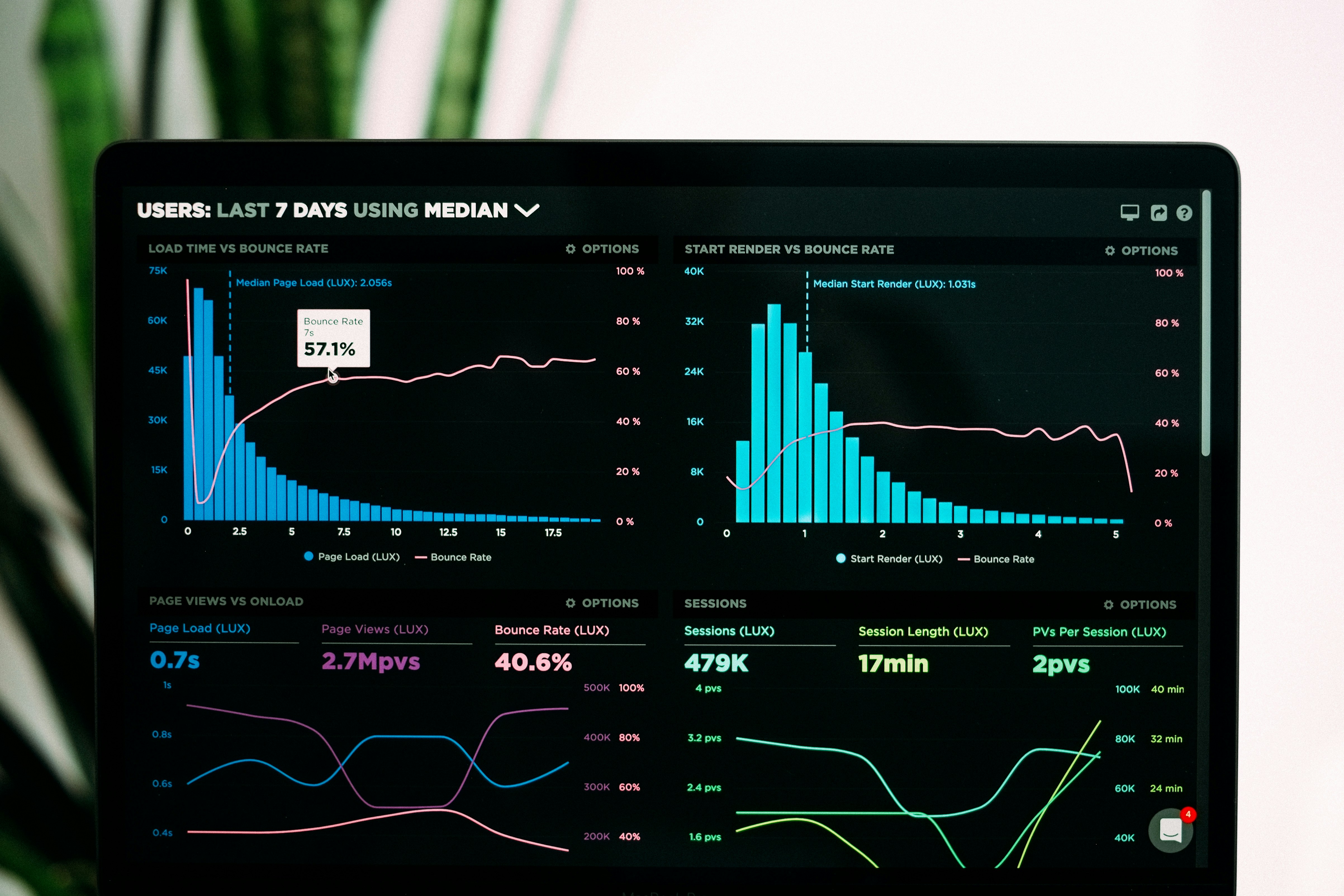
Explore how machine learning algorithms are transforming traditional reporting into intelligent, predictive analytics systems that anticipate business needs before they arise.
AI-Powered Analytics: How Machine Learning is Revolutionizing Data Reporting
Traditional data reporting has served businesses well for decades, but we're now entering an era where AI and machine learning are fundamentally transforming how organizations extract insights from their data.
The Evolution of Reporting
Traditional Reporting - Static dashboards showing historical data - Manual analysis required for insights - Reactive rather than proactive - Limited ability to handle complex patterns
AI-Powered Reporting - Dynamic, self-updating insights - Automatic anomaly detection - Predictive capabilities - Natural language narratives - Personalized recommendations
Key AI Technologies Transforming Reporting
1. Automated Insights Generation
Modern BI tools like Power BI and Tableau now incorporate AI features that automatically identify interesting patterns, outliers, and trends in your data. These tools can:
- Detect unusual spikes or drops in metrics - Identify correlations between variables - Suggest relevant visualizations - Generate natural language summaries
2. Predictive Analytics
Machine learning models integrated into reporting platforms can forecast future trends:
- Sales predictions based on historical patterns - Customer churn probability - Inventory optimization recommendations - Revenue forecasting with confidence intervals
3. Natural Language Processing (NLP)
Ask questions in plain English and receive instant visualizations:
- "Show me revenue by region for Q3" - "Which products are underperforming this month?" - "What factors are driving customer satisfaction?"
4. Automated Data Preparation
AI can handle the time-consuming task of data cleaning and preparation:
- Automatic data type detection - Missing value imputation - Outlier identification and handling - Feature engineering suggestions
Real-World Applications
Retail Analytics AI-powered reporting systems can predict inventory needs, identify optimal pricing strategies, and detect emerging customer preferences before they become obvious trends.
Financial Services Banks use ML-enhanced reporting to detect fraudulent transactions in real-time, assess credit risk with greater accuracy, and provide personalized financial advice to customers.
Healthcare Analytics Hospitals leverage AI reporting to predict patient admission rates, optimize staffing levels, and identify potential health issues before they become critical.
Marketing Analytics Marketing teams use AI-powered dashboards to optimize campaign performance, predict customer lifetime value, and automatically segment audiences for targeted messaging.
Implementation Strategies
Start Small Begin with one use case: 1. Choose a high-value reporting scenario 2. Implement basic ML models 3. Measure impact and iterate 4. Expand to other areas
Build the Right Foundation - Ensure data quality and consistency - Invest in proper data infrastructure - Train your team on AI concepts - Establish governance frameworks
Choose the Right Tools Modern platforms offering AI-powered analytics: - Power BI: Smart narratives, anomaly detection, Q&A features - Tableau: Einstein Discovery, Explain Data - Looker: ML-powered insights and predictions - Azure Synapse: Integrated machine learning capabilities
Challenges and Considerations
Data Quality AI models are only as good as the data they're trained on. Poor data quality leads to unreliable insights.
Interpretability Complex ML models can be "black boxes." Ensure you can explain how your AI-powered reports generate insights.
Change Management Teams need training to trust and effectively use AI-powered insights. Cultural change is often harder than technical implementation.
Ethical Considerations Be mindful of bias in your models and ensure your AI-powered reporting systems are fair and transparent.
The Future of AI in Reporting
We're moving toward a future where:
- Reports will be fully conversational, understanding context and intent - Insights will be delivered proactively before you even ask - Visualizations will automatically adapt to your role and preferences - Data storytelling will be automated yet personalized
Getting Started Today
1. Explore built-in AI features in your current BI tools 2. Experiment with AutoML platforms like Azure Machine Learning or Google AutoML 3. Start with descriptive AI (anomaly detection, pattern recognition) before moving to predictive models 4. Build a center of excellence to share best practices across your organization
The revolution in AI-powered analytics is not coming—it's already here. Organizations that embrace these technologies now will have a significant competitive advantage in understanding their business and making data-driven decisions.