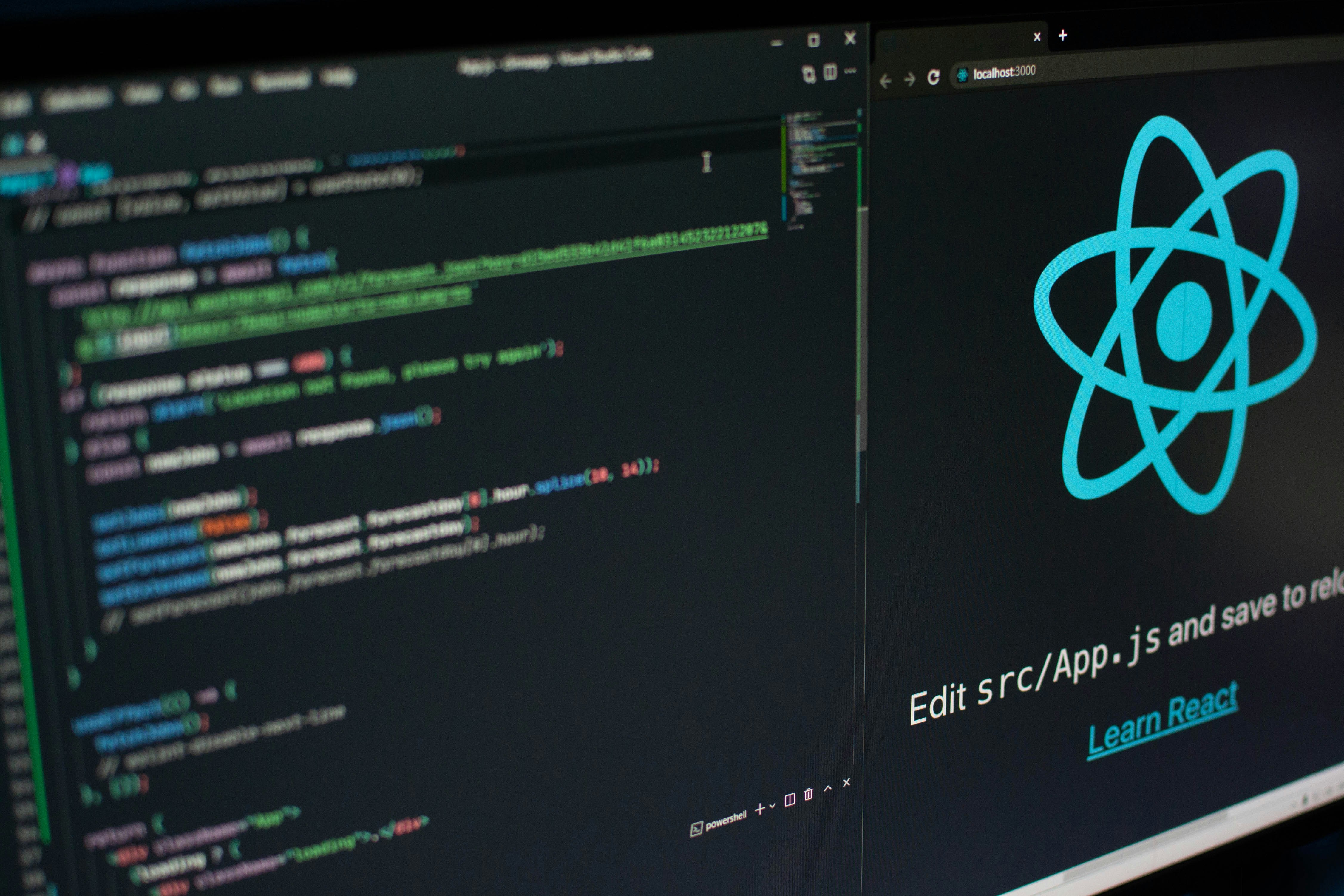
Discover how generative AI tools like ChatGPT and GitHub Copilot are revolutionizing the way data engineers build and maintain ETL pipelines, reducing development time by up to 60%.
Generative AI for Data Engineering: Transforming ETL Development
The landscape of data engineering is undergoing a massive transformation with the advent of generative AI. Tools like ChatGPT, GitHub Copilot, and specialized AI coding assistants are fundamentally changing how we approach ETL (Extract, Transform, Load) development.
The Traditional ETL Challenge
Data engineers have historically spent countless hours writing repetitive transformation logic, debugging complex SQL queries, and maintaining extensive codebases. A typical enterprise data warehouse might contain hundreds of ETL pipelines, each requiring careful development, testing, and maintenance.
Enter Generative AI
Generative AI is changing this paradigm in several profound ways:
1. Automated Code Generation
Modern AI assistants can generate complete ETL scripts based on natural language descriptions. Instead of manually coding a complex transformation, you can describe what you need: "Create a Python script that reads CSV files from S3, applies data quality checks, transforms the data using pandas, and loads it into Snowflake with error handling."
2. Intelligent Code Completion
GitHub Copilot and similar tools provide context-aware code suggestions that understand your data engineering patterns. They can suggest entire functions, SQL queries, and transformation logic based on your existing codebase.
3. Documentation Generation
One of the most time-consuming aspects of data engineering is documentation. Generative AI can automatically create comprehensive documentation for your pipelines, including data lineage, transformation logic, and dependency graphs.
4. Error Detection and Debugging
AI-powered tools can identify potential issues in your ETL code before they cause production problems. They analyze patterns, suggest optimizations, and even predict where data quality issues might arise.
Real-World Impact
Organizations implementing AI-assisted data engineering are seeing:
- 60% reduction in development time for new pipelines - 40% fewer production incidents due to AI-powered code review - 50% faster onboarding for new team members - Significant cost savings through automated optimization suggestions
Best Practices for AI-Assisted ETL
1. Start with clear requirements: AI works best when you provide detailed, specific descriptions 2. Review and validate: Always review AI-generated code for security and efficiency 3. Maintain human oversight: Use AI as an assistant, not a replacement for engineering judgment 4. Build prompt libraries: Create a repository of effective prompts for common tasks 5. Combine tools: Use different AI tools for different aspects (coding, documentation, testing)
The Future is Collaborative
The future of data engineering isn't about replacing engineers with AI—it's about augmenting human capabilities. Data engineers who embrace these tools can focus on higher-level architecture, strategy, and innovation while AI handles the repetitive, time-consuming tasks.
Getting Started
If you're new to AI-assisted data engineering:
1. Start experimenting with ChatGPT for SQL query generation 2. Try GitHub Copilot for your next pipeline development 3. Use AI for documentation and code comments 4. Gradually expand to more complex use cases
The data engineering landscape is evolving rapidly. Those who adapt and integrate generative AI into their workflows will have a significant competitive advantage in the years to come.